
The homeowner's voice on the phone had the sound of someone bracing for bad news to get worse. Another company had run a test under her Rockwall home, told her it failed, and handed her a bid to replace the under-slab plumbing. All of it. The number had a lot of digits. She wanted to know one thing before signing anything: does a failed test really mean the whole system is bad?
It's the right question, and the honest answer is: not necessarily. A whole-house hydrostatic test answers one question — is there a leak somewhere? It does not tell you where, and it does not tell you how much of the system is involved. A single failed joint and a system-wide failure look identical on a whole-house test: the water level drops. What separates them is the next step, and the next step is isolation.
Testing it the slow, honest way
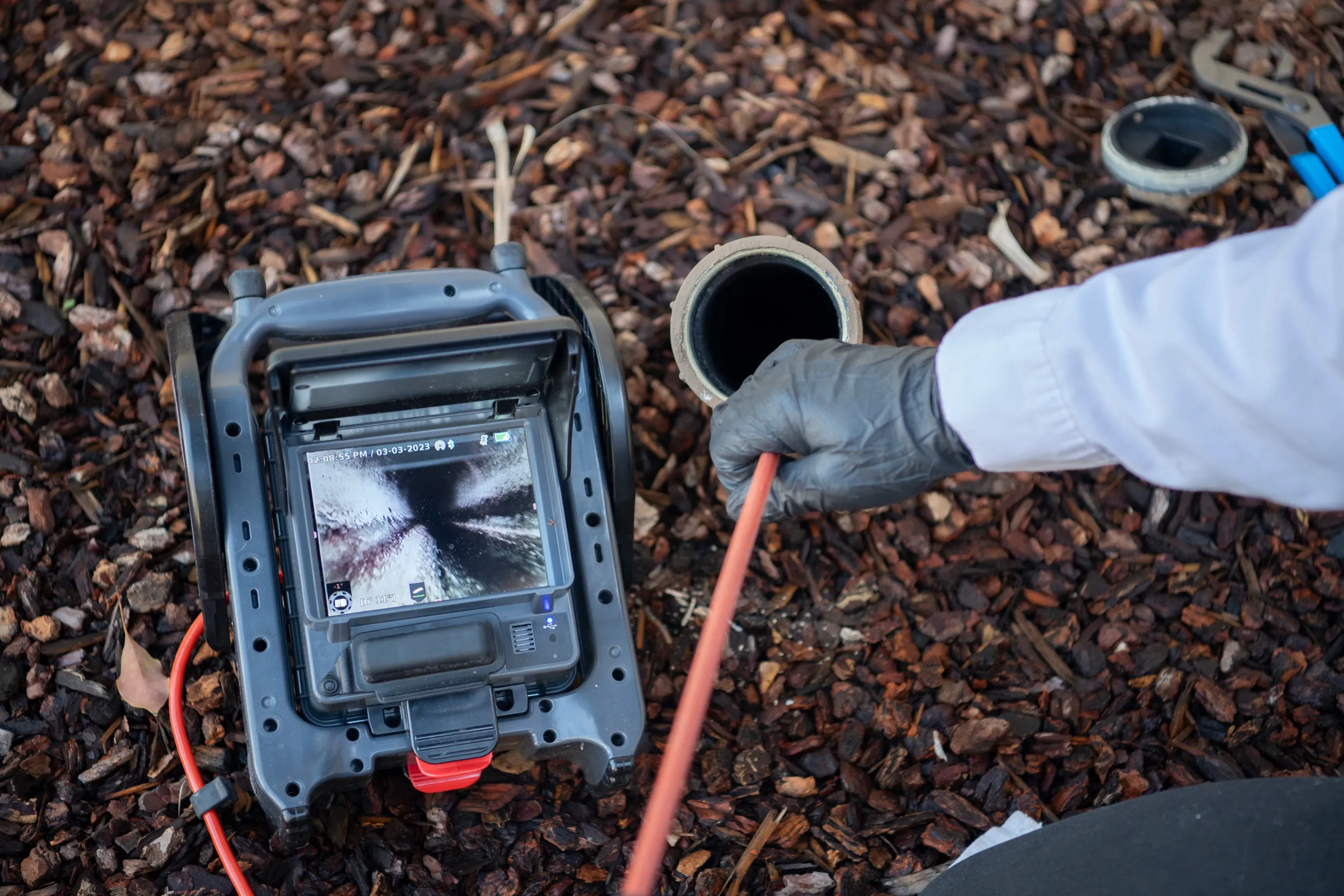
Isolation testing splits the under-slab system into sections using inflatable plugs, then tests each section on its own. It takes longer than a single whole-house fill. It's also the difference between guessing and knowing. Section by section, this system did something the original bid hadn't accounted for: it held. Kitchen run — held. Hall bath — held. One section on the far side of the house — dropped. We ran it twice to be sure. Same result. One failed section; everything else sound.
The repair that actually matched the problem
With the failure isolated to a few feet of line, the fix was a targeted under-slab repair of that section — followed by a full re-test of the entire system, which held steady. The homeowner got the documentation: what was tested, section by section, what failed, what was repaired, and the passing result at the end. The final cost was a fraction of the replace-everything bid she'd been holding when she called.
We don't say the first company lied. Whole-house testing is a legitimate screening tool, and some houses genuinely do need full replacement — we've done those jobs too. But a screening result is a starting point, not a sentence, and nobody should sign a five-figure contract on a test that can't say where the problem is.
What Rockwall homeowners should know
If you've been told your under-slab plumbing failed a test, ask one question before you sign: has the failure been isolated to specific sections? If the answer is no, an isolation test is the cheapest expensive-mistake insurance in plumbing. Sometimes it confirms the bad news. Often, it shrinks it.
Questions Rockwall homeowners ask
What is a pipe isolation test?
The under-slab drain system is divided into sections with inflatable plugs, and each section is water-tested independently — pinpointing exactly which runs leak and which are sound.
Should I get a second opinion after a failed hydrostatic test?
Before signing a large replacement contract, yes. A whole-house test finds that there's a leak; only isolation finds where. The difference can be most of the bid.
Does a failed whole-house test mean full replacement?
Sometimes — but often the failure is one section or one joint. Isolation testing is how you find out which house you're standing in.